Murakami × MLB
Tokyo Series
Tokyo Series 2025 · Global collection launch
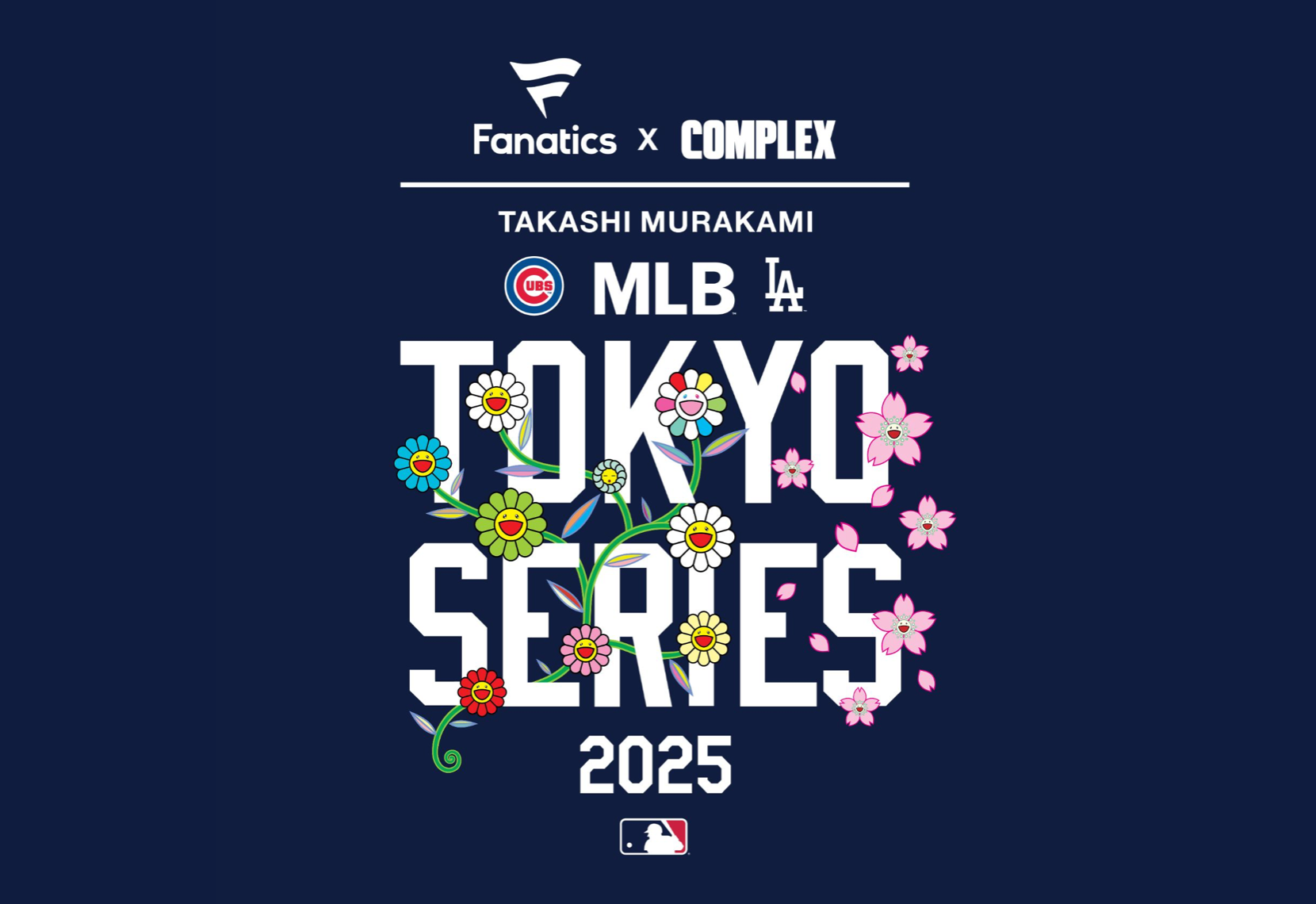
Ready When the World Arrives
How a major cultural moment became a digital commerce experience built to receive attention, stay legible, and change while people shopped
- ROLE
- Adam Shupe — digital/web planning, launch execution, and live merchandising of Complex's commerce experience, within a cross-functional launch team
- OWNED
- Digital/web planning and launch execution for the commerce experience: onsite merchandising, ticker and nano-bar state, homepage, brand, and drop-page placement, merchandise hierarchy, and live reordering as products sold through.
- COORDINATED
- Complex launch team — eCommerce operations, marketing, merchandising, and the other functions on the launch call, each confirming and operating its own part of the release.
- NOT OWNED
- Partner and functional teams — Their own campaign, partnerships, creative, editorial, email, stability, product-configuration, event-production, artist-relationship, and other launch responsibilities; the broader collaboration remained collective.
- WINDOW
- Tokyo Series 2025 launch · reconstructed August 2026
Tokyo Series 2025 — the world arrives
Baseball opened its 2025 season in Tokyo. Takashi Murakami's visual world met MLB, and the collection brought teams, players, and vendors into a single moment. The date was fixed long before anything was built. Whatever we made had to be ready on it.
I was responsible for the digital side of Complex's commerce experience for that collaboration — planning and operating the storefront the collection would launch on, alongside the eCommerce operations, marketing, and merchandising teams running the rest of the launch.
The attention would not arrive as one audience. Some people were coming for Murakami. Some were coming for baseball. Some were coming for a single player, a single team, or a single card. They would land on the same page within the same few minutes, each looking for something different.
Before launch — turning assortment into a storefront
The collection was broad. It crossed teams and players, ran through apparel, headwear, trading cards, and on-field objects, and included products made by partner vendors. Demand across it was never going to be even. A few things would be wanted badly and most would be wanted normally, and I had to guess which was which before anyone showed up.
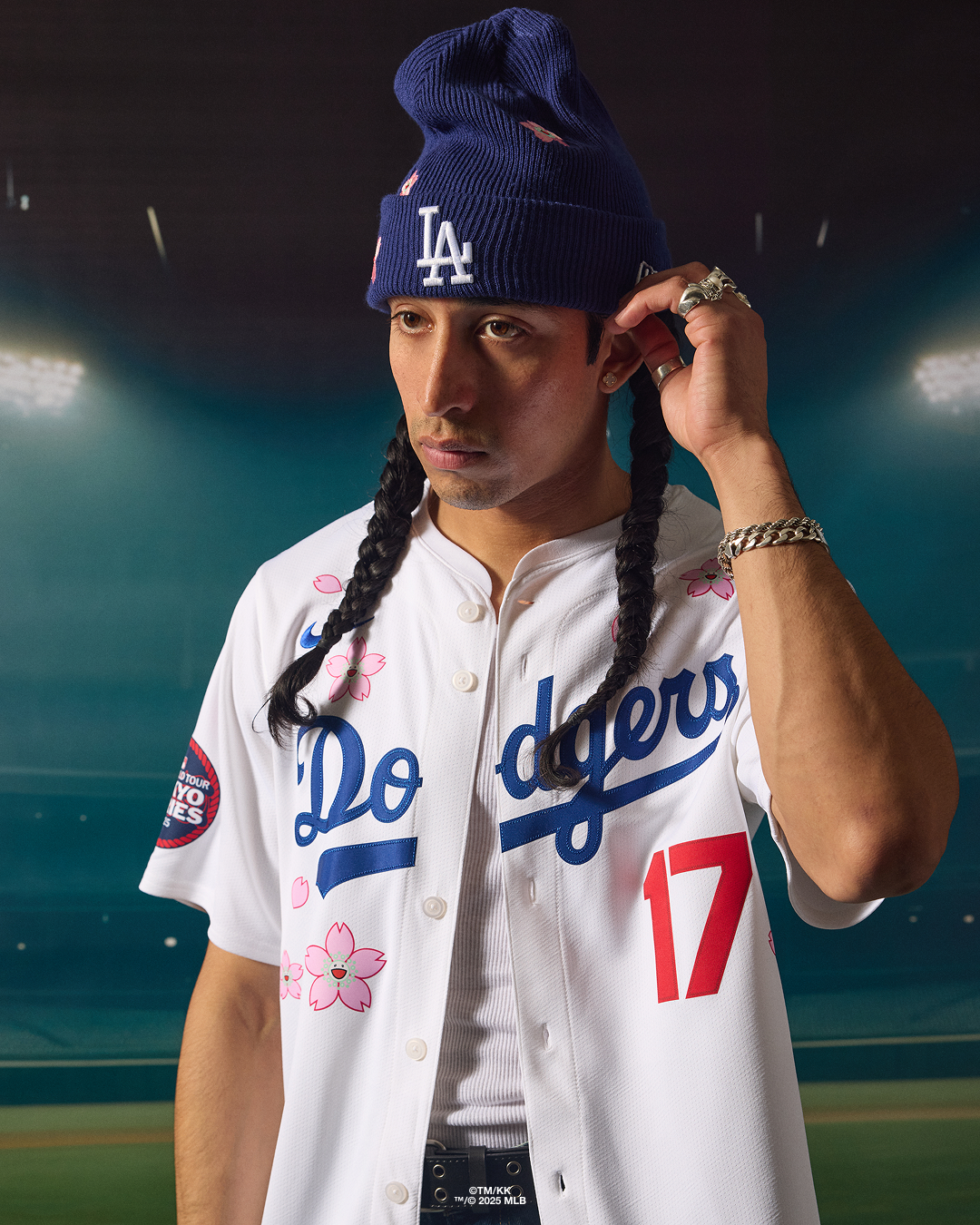
Putting all of it online would not have made any of it legible. A storefront has a small number of positions that actually carry attention: the first products a visitor sees on a page, the homepage modules they encounter before scrolling, the brand and drop pages, and the ticker and nano-bar — the thin site-wide strips that say what is happening with a release right now.
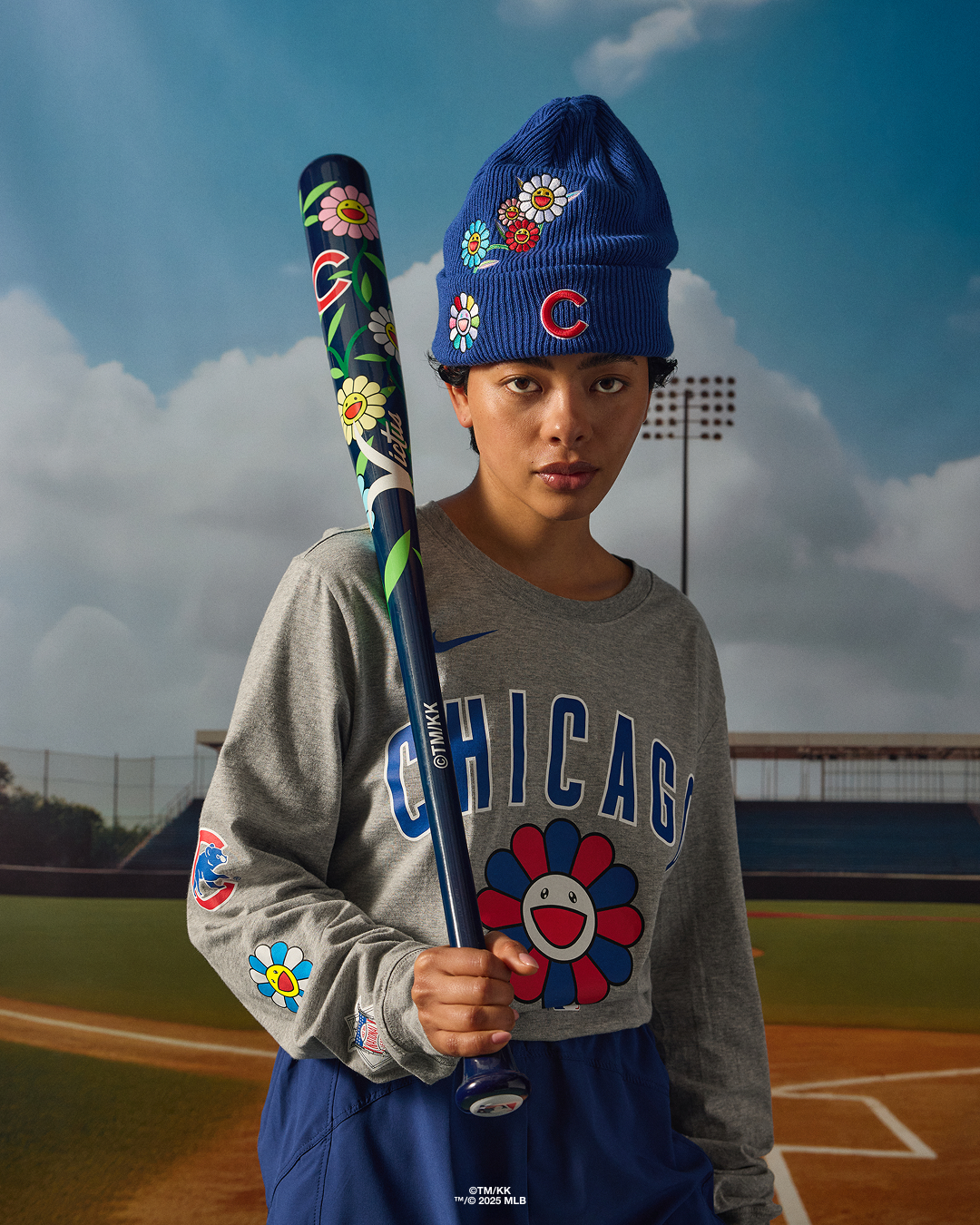
Before launch I decided what went where. That is an editorial decision about attention rather than a sort order: the strongest products had to be reachable immediately, without letting one name or one product type swallow the range of the collection. The campaign could establish why the moment mattered. The storefront had to answer something smaller and more immediate — what should someone see first?
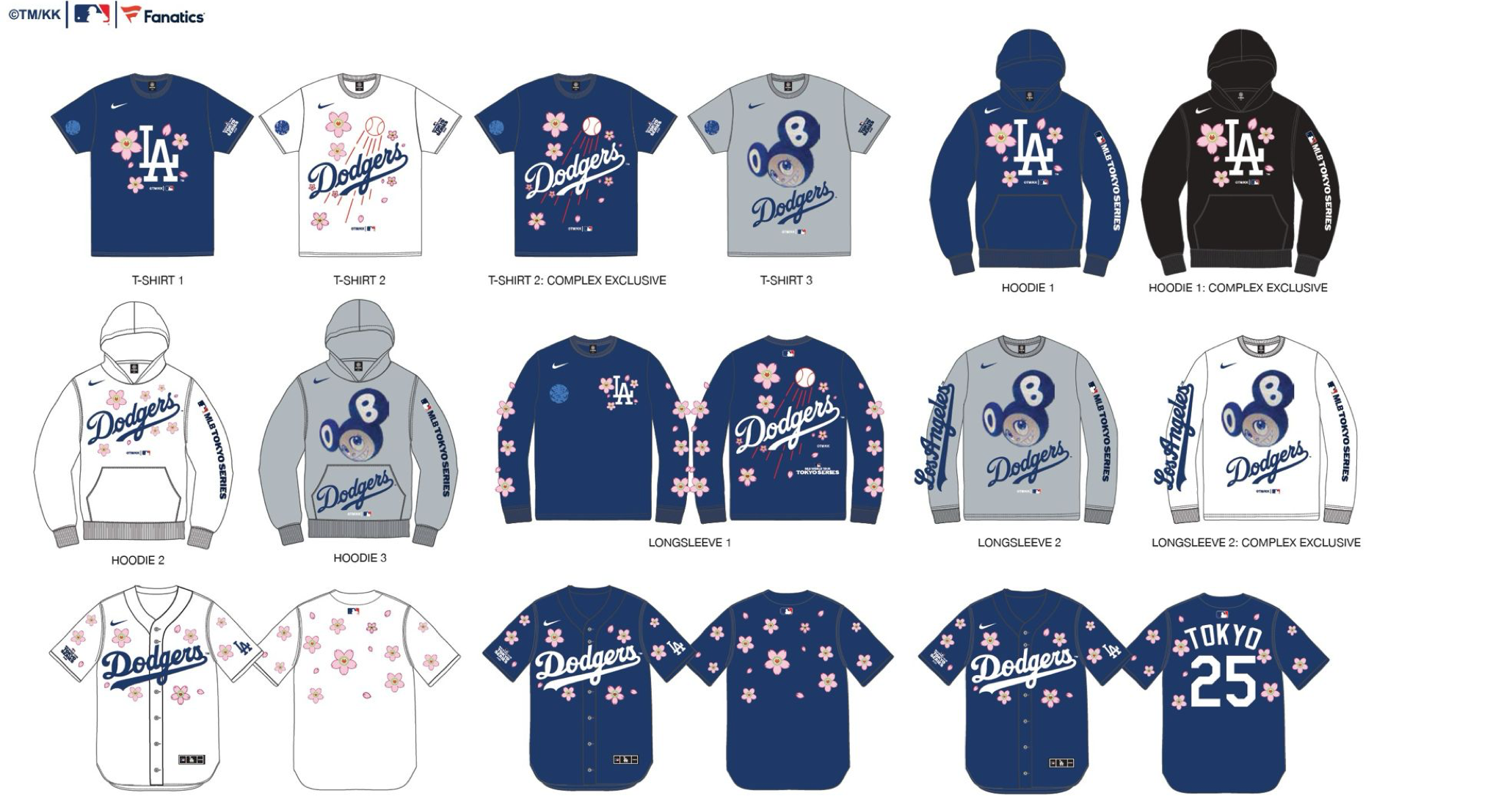
Approximately 9:00 → 9:05 — coordinated sequencing
We ran it the way we ran drops: a war-room call with eCommerce operations, marketing, merchandising, and the rest of the launch team, each person watching their own part.
The order was ordinary and it mattered. Operations confirmed the product and commerce state was good to go. I confirmed the web experience was locked — placements set, states correct, nothing still pointing at a pre-launch page. Once commerce was live and verified, the digital side said so on the call, and marketing pushed its activation.
That is what the five minutes between roughly 9:00 and 9:05 held. The storefront came online, each team confirmed its own part, and the thing that would send people to it followed.

After launch — merchandising in motion
The Topps cards went essentially immediately. Shohei Ohtani's merchandise moved the same way. Then most of the rest of it went too — jerseys, bats, balls, bobbleheads — and the page I had arranged before launch started falling out of date while people were still on it. A product that had earned a high position could sell out, leaving valuable placement occupied by something a visitor could no longer buy.
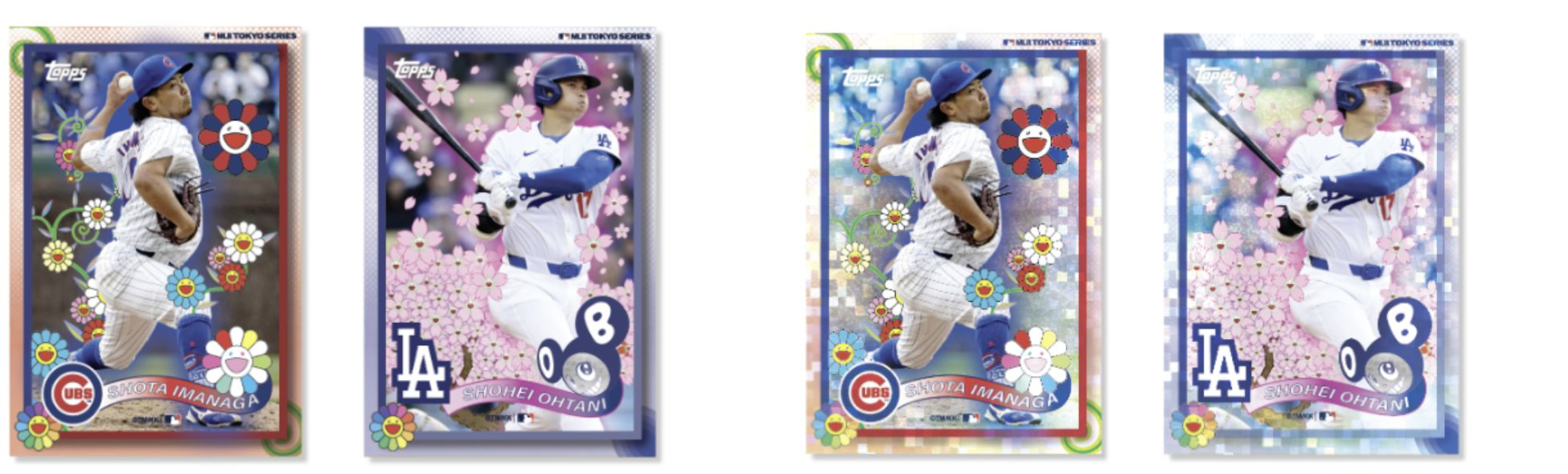
So I kept editing while people shopped. Sold-out products moved down. Strong products that were still available moved up into the positions the sold-out ones had vacated. I watched availability and re-sorted against it, and I kept doing that for as long as things kept going.
None of those changes was interesting on its own. Together they were the difference between a storefront that described the launch we had planned and one that described what a person could still put in a cart.
The initial sort expressed a plan. The live sort had to respond to what was still true.

August 8, 2026 — what the launch represented
I remember it as the biggest launch I had worked on at Complex. That is my recollection rather than a verified result, and the launch belonged to a lot of people.
Looking back from August 2026, what I kept is smaller than the collaboration. The famous names made the moment visible. What made it a place someone could actually shop was a long run of ordinary decisions — what goes first, what state the site is in, who confirms what before the next thing happens, what moves when something sells out. Complex would build this shape again: culture, sports, commerce, and an artist joined in one launch. The first time, it came down to those decisions.
The part I did not expect was that the work did not end when the page went live. It kept going product by product while people shopped, the storefront corrected again and again to keep saying what was actually still there.
THE WORK
Adam Shupe — digital/web planning, launch execution, and live merchandising of Complex's commerce experience, within a cross-functional launch team. Partner and functional teams: Their own campaign, partnerships, creative, editorial, email, stability, product-configuration, event-production, artist-relationship, and other launch responsibilities; the broader collaboration remained collective.
Reconstructed — assembled in 2026 from bounded surviving private material and first-person testimony given August 7 and August 8, 2026
The published partial storefront Trace does not establish the overall live launch state, quality, or performance. Execution and operating sequence continue to rest on bounded first-person testimony.
No confidential performance or quantitative outcome is published or implied.
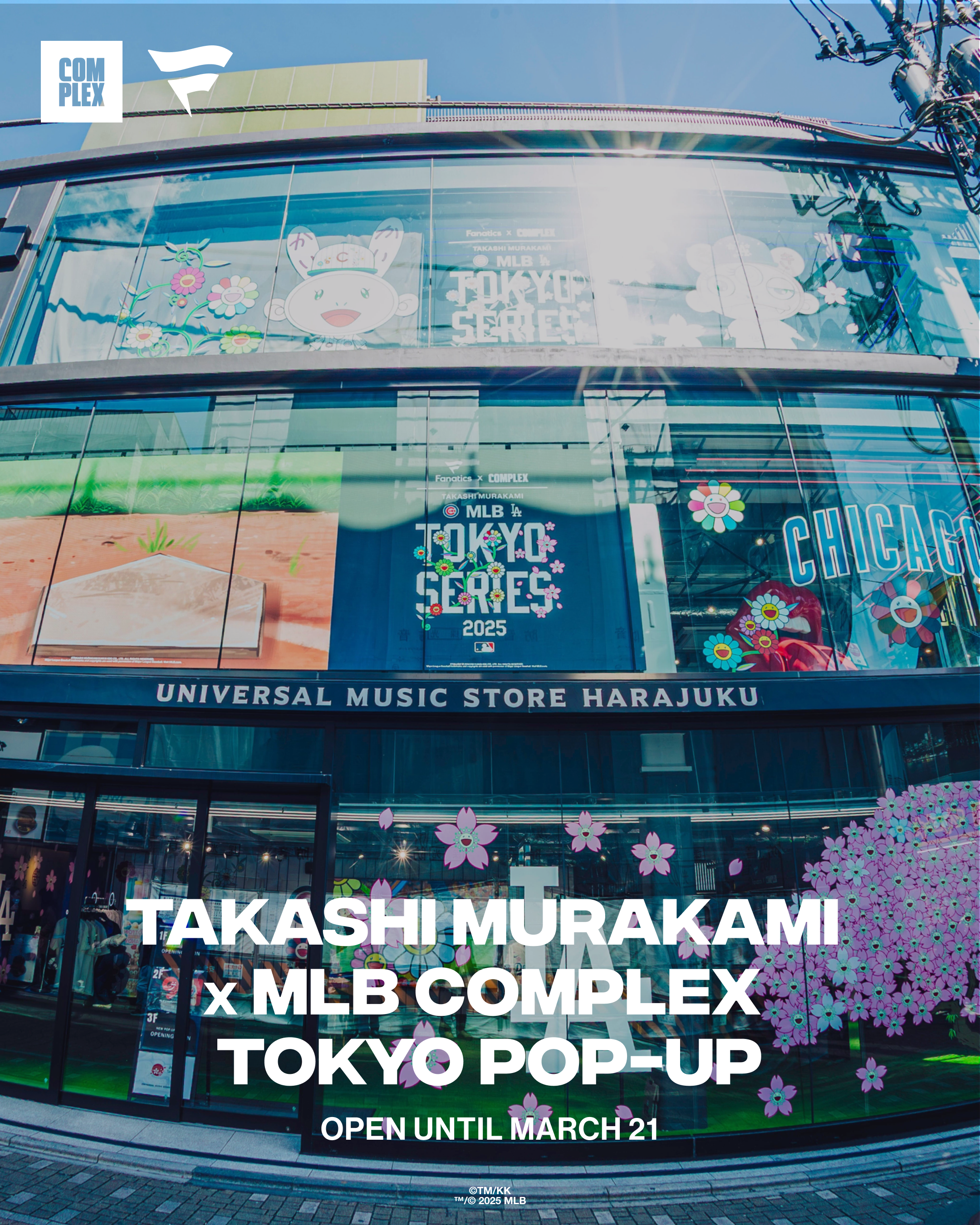
Campaign artwork for Takashi Murakami × MLB Tokyo Series 2025. Photography, animation, artwork and physical production belong to the campaign’s respective creators and rights holders; none is claimed as Adam’s creative authorship. Photographer, animator, music and production credits have not been established. The planned document records intent; the archive replay records a later captured storefront context.
GO DEEPER
SOURCES & CONTEXT
Kept by Adam Shupe · adamshupe.com